Reimagining the Human Relationship with Nature
I believe in new and better environmental futures in which law can love the natural world. My life's work is proving it.
Who I Am
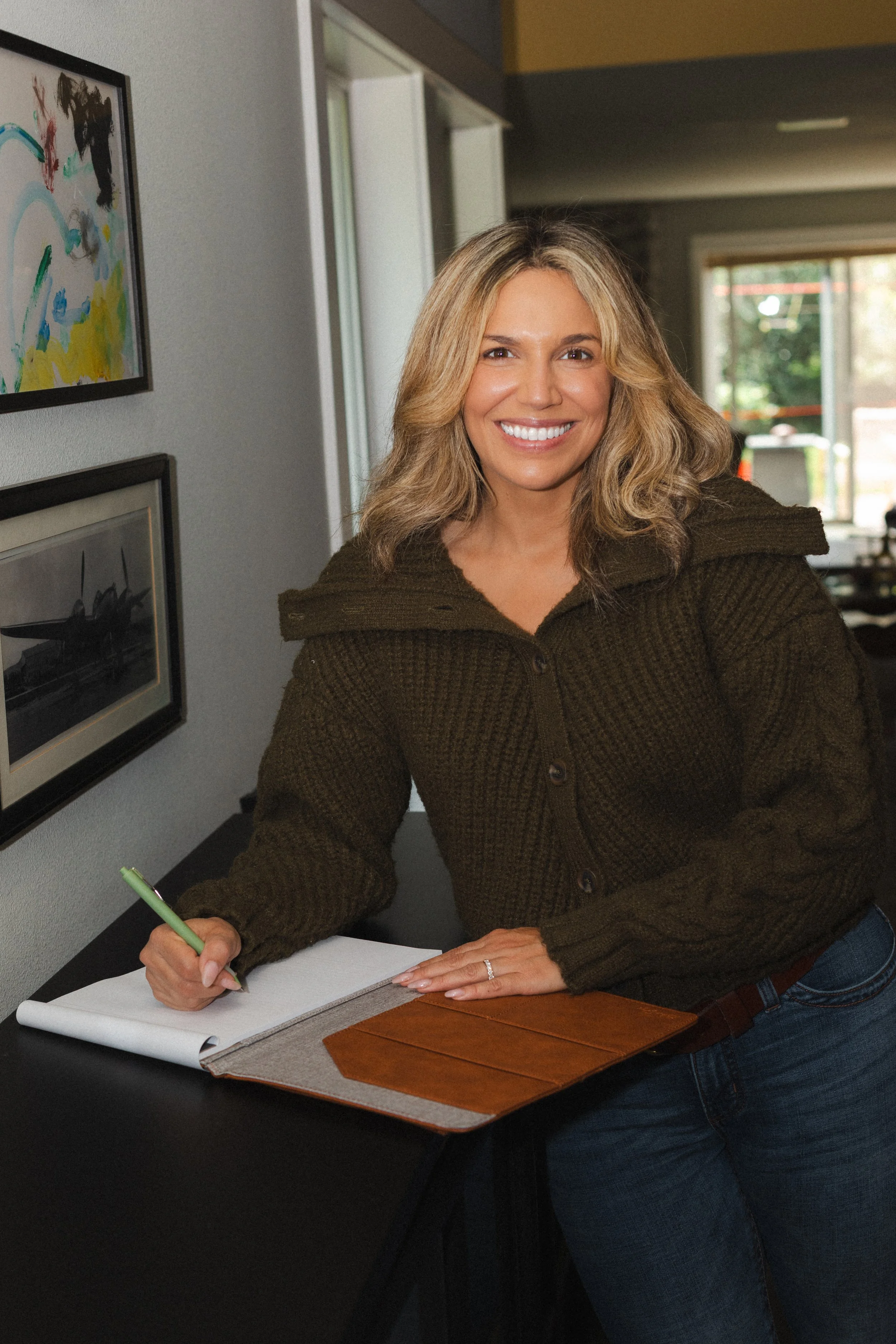
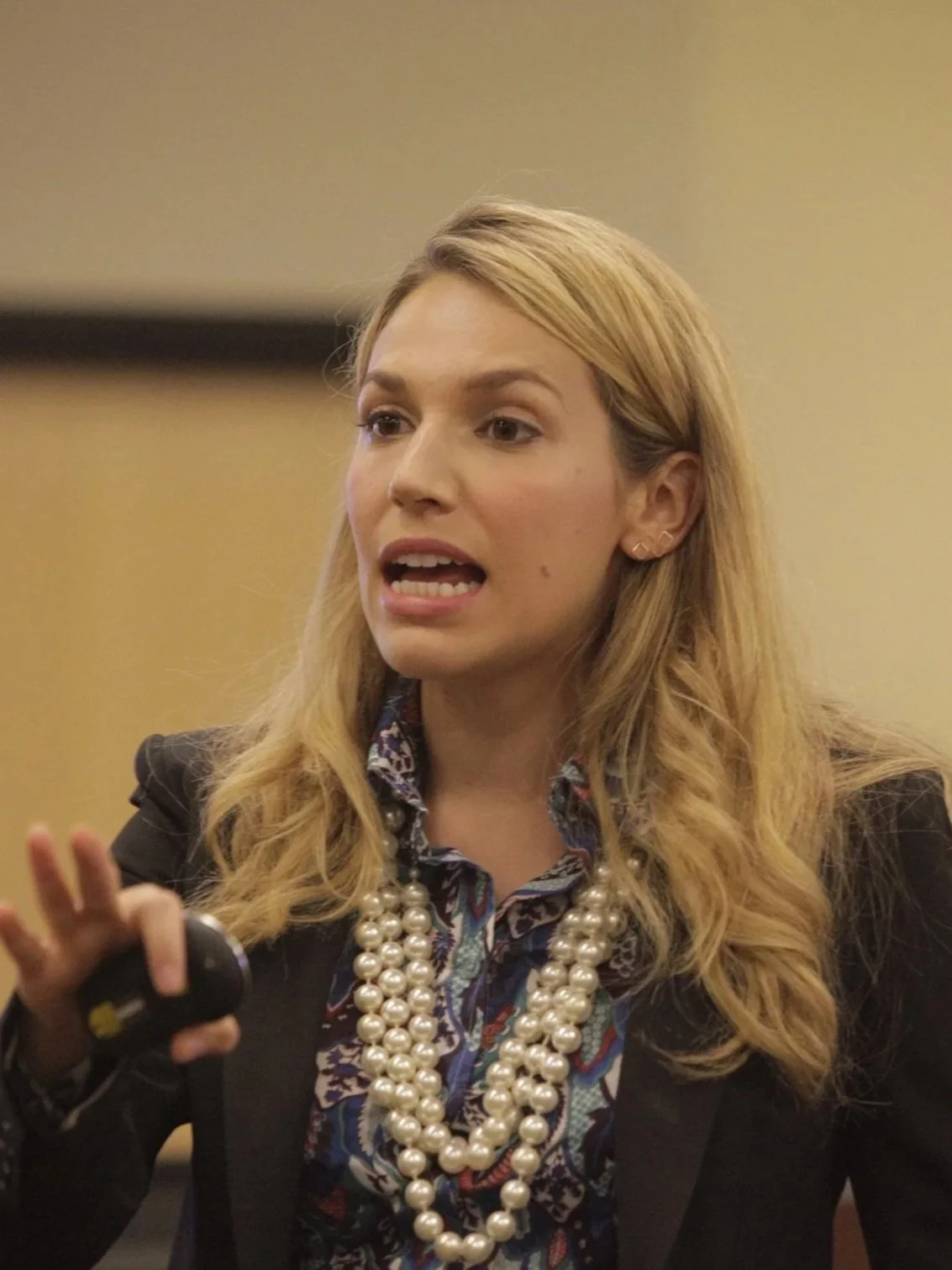
I am a Professor of Law and Alan Matthenson Research Fellow at the Sandra Day O'Connor College of Law at Arizona State University. I also serve as a Senior Sustainability Scientist at the Global Institute of Sustainability, a Faculty Fellow at the Oxford Centre for Animal Ethics, and a Faculty Affiliate Scholar at the NYU School of Law Classical Liberal Institute. My scholarship focuses on biodiversity law.
My work sits at the intersection of law, nature, and imagination. I wrote a legal brief on behalf of Happy, an elephant confined to concrete enclosures. I helped advocate for a successful federal ban on octopus farming in the United States. I developed a legal theory that allows wildlife to hold property rights — a framework now being applied in countries around the world.
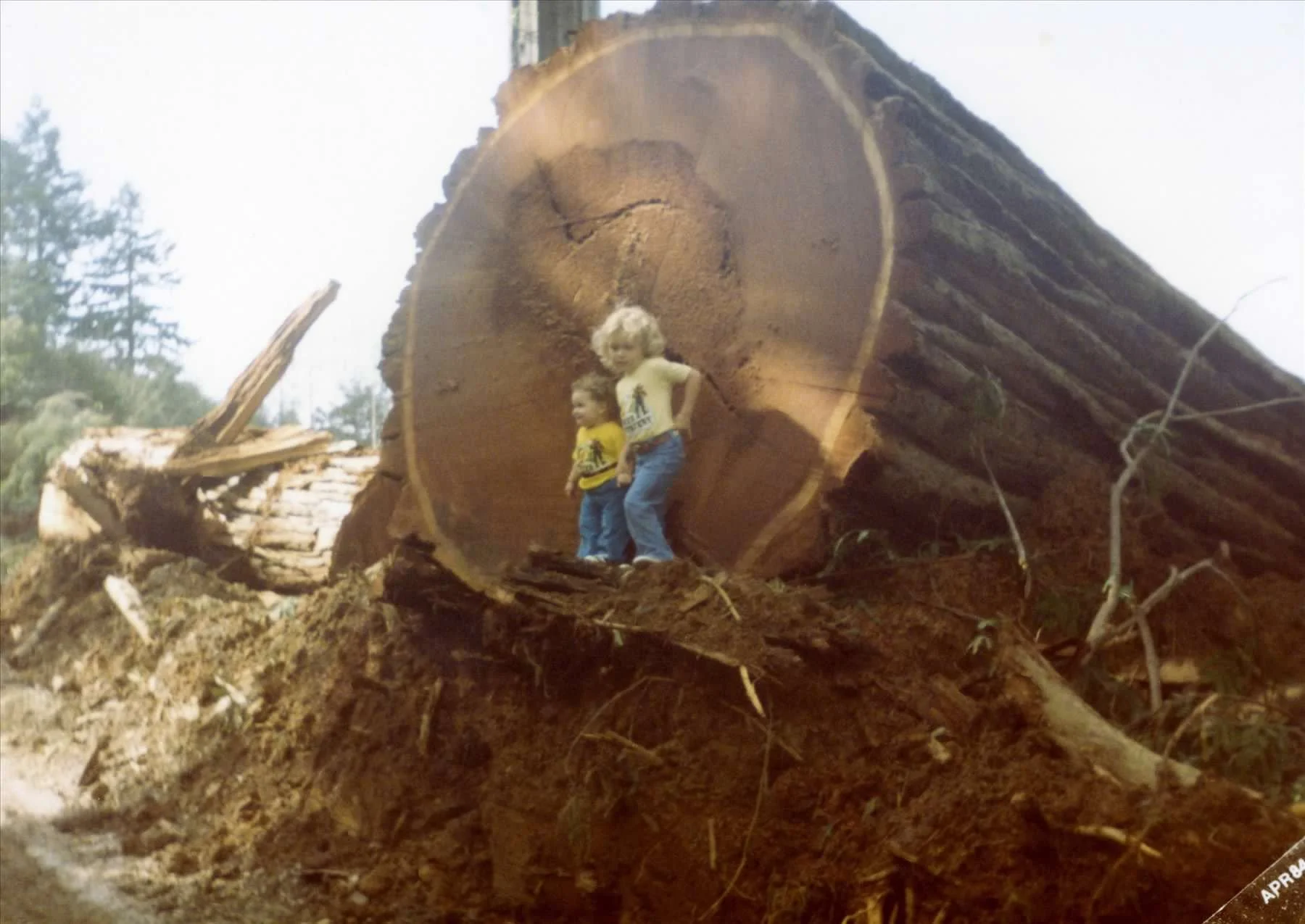
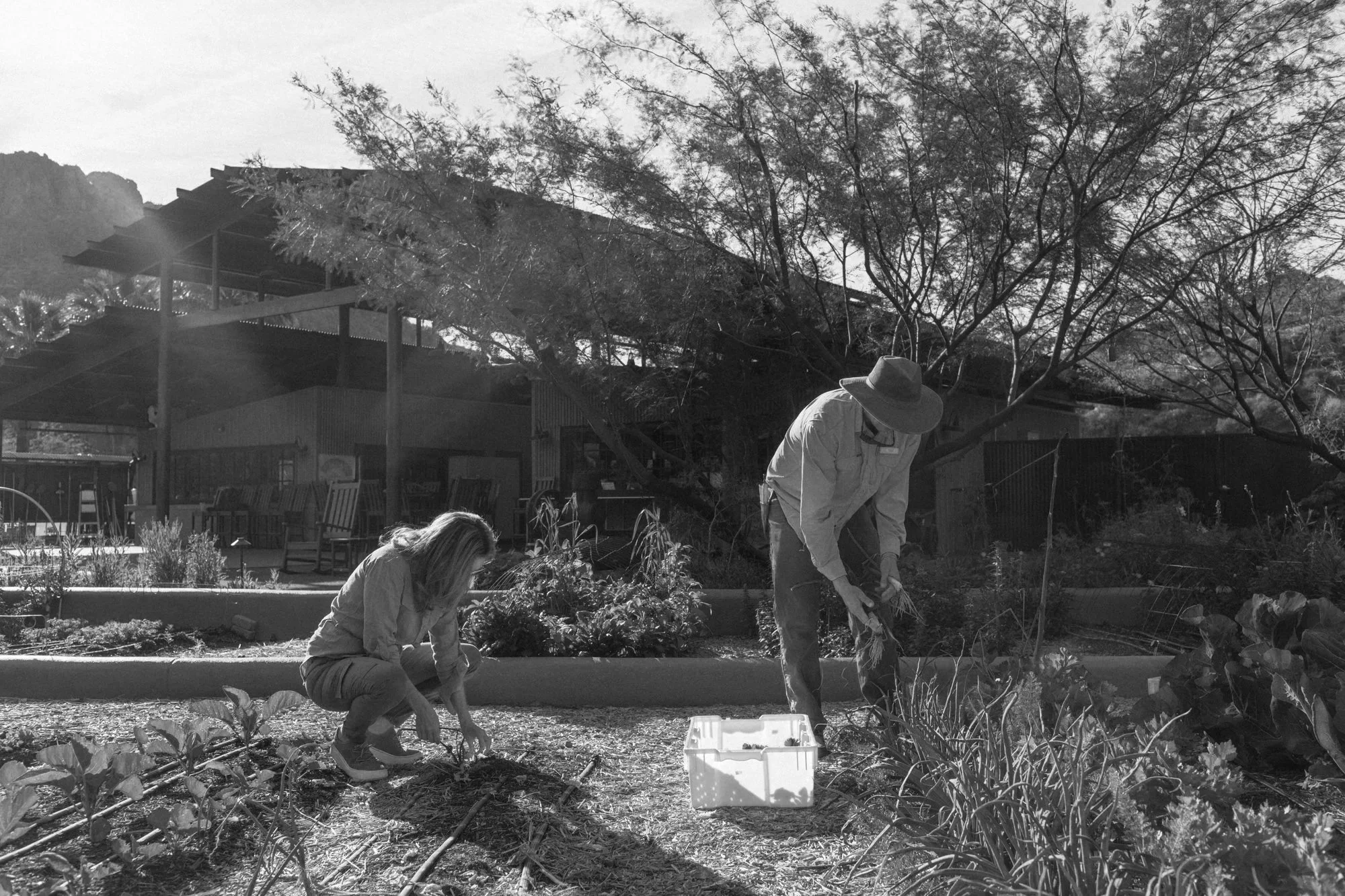
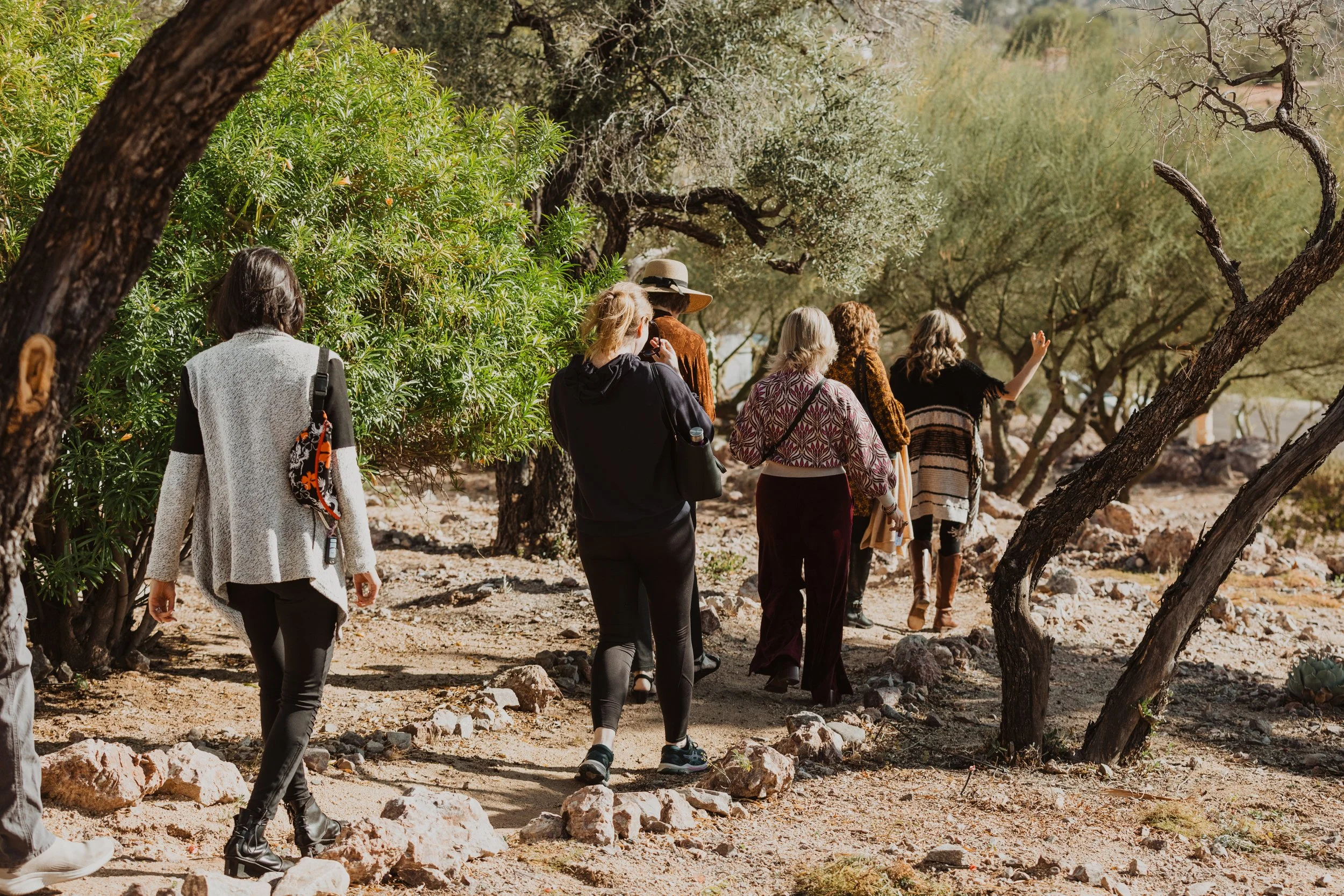
These approaches are creative and grounded, shaped by a rural upbringing in communities where the relationship between people and land was never abstract. I divide my time between the Sonoran Desert and a working vegetable farm in Oregon. I am part of a farm family.

The Work
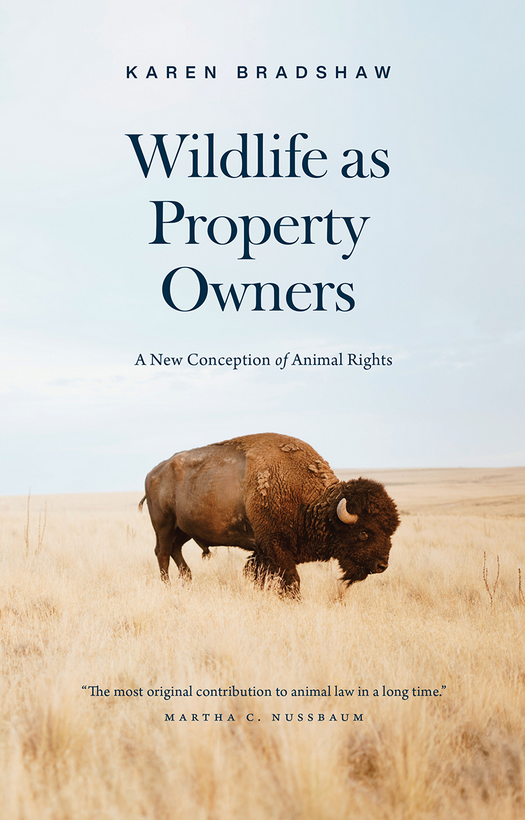
Karen Bradshaw is the author of several books, including National Parks: How Nature Can Save America (advance contract, Columbia University Press) and the internationally acclaimed book Wildlife as Property Owners: A New Conception of Animal Rights (University of Chicago Press).
Wildlife as Property Owners was featured in the Official 2022 Grammy gift bags and received a "highly recommended" review in Forbes. Martha Nussbaum, likely the most famous living philosopher, called it "the most original idea in animal law in some time."
Bradshaw also co-edited the leading volume on wildfire law and has published over twenty-five academic articles on a variety of legal topics. Her work has a global impact, with lectures delivered in more than a dozen countries and scholarship translated and reviewed in Spanish, French, and Mandarin.
Her teaching and research span the subjects of Property, Contracts, Environmental Law, Natural Resources, and Biodiversity.

Leadership & Impact

Karen Bradshaw is a pioneering voice at the intersection of law, nature, and innovation. She is the author of multiple influential books, including National Parks: How Nature Can Save America (forthcoming from Columbia University Press) and the internationally acclaimed Wildlife as Property Owners: A New Conception of Animal Rights (University of Chicago Press).
Her groundbreaking work, Wildlife as Property Owners, earned a place in the Official 2022 Grammy gift bags and received a “highly recommended” review from Forbes. Renowned philosopher Martha Nussbaum has praised it as “the most original idea in animal law in some time,” underscoring its transformative impact on legal thought.
In addition to her books, Bradshaw co-edited a leading volume on wildfire law and has authored more than twenty-five academic articles across a wide range of legal disciplines. Her scholarship resonates globally—she has lectured in over a dozen countries, and her work has been translated and critically engaged with in Spanish, French, and Mandarin.
Bradshaw’s teaching and research explore the dynamic connections between Property, Contracts, Environmental Law, Natural Resources, and Biodiversity—equipping the next generation to rethink how law shapes our relationship with the natural world.

Education & Background
Bradshaw earned a JD with honors from University of Chicago Law School, an MBA from California State University, Chico, and her BS in Business Administration from the University of California, Berkeley, where she was a Regent's Scholar.
She clerked for Judge E. Grady Jolly on the Fifth Circuit Court of Appeals and served as the Koch-Searle Research Fellow at New York University School of Law.
This work is personal. It's rooted in my upbringing in rural California,
my love of the land, and my belief that we can — and must — do better.
A Note on the Work Ahead
This work is personal. It's rooted in my upbringing in rural California, my love of the land, and my belief that we can — and must — do better.
I wrote a legal brief for Happy, an elephant locked in concrete cages. I successfully advocated to ban octopus farming in the US. I created a legal theory that allows wildlife to own property, and it is now being used in countries around the world.
My next books explore National Parks and how people relate to nature through art and policy.
I invite you to engage with my ideas, read my work, and join the movement to radically reimagine what's possible.